Best Australian Native Ground Covers for a Lush, Low-Maintenance Garden
Discover the best Australian native ground covers for a vibrant, low-maintenance garden. Learn about native violets, Myoporum, Desert Flame, Dichondra, Casuarina ‘Cousin It’, and Fan Flower, including their beauty, benefits, placement, and care tips.
Ground covers are the unsung heroes of any garden. They weave everything together, soften hard edges, bring colour and texture, and create a sense of harmony between larger trees and shrubs. What I love most is how they make a garden feel alive — spreading across the soil, attracting birds and bees, or shifting gently with the breeze. And when you choose Australian native ground covers, you’re not just planting beauty, you’re creating resilience. These plants are naturally adapted to our climate, often needing less water, less care, and giving more back to the environment.
In this guide, we’ll explore some of the best Australian native ground covers that don’t just serve a practical purpose, but also bring joy, movement, and character to the garden. We’ll also cover why ground covers are essential, where to place them, and tips on layering and design.
Why Choose Australian Native Ground Covers
Native ground covers are perfectly suited to Australian gardens. Unlike exotic species, they’ve evolved to thrive in our soil, handle local pests, and withstand heat and drought. Using native ground covers reduces the need for chemical fertilisers, pesticides, and frequent watering, making your garden more sustainable and environmentally friendly.
Beyond practical benefits, native ground covers offer:
- Weed suppression: Dense foliage shades out unwanted plants.
- Moisture retention: Protect soil from evaporation, saving water.
- Erosion control: Roots stabilise soil on slopes and embankments.
- Wildlife habitat: Flowers attract bees, butterflies, and native birds.
- Low-maintenance greenery: Most spread naturally and require minimal care.
By integrating ground covers, you can create a balanced, layered garden that looks complete and feels alive throughout the year.
Best Small Native Australian Trees for Gardens and Backyards
Native Violet (Viola hederacea)
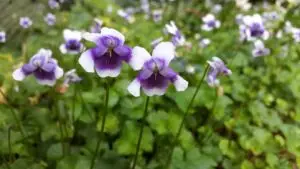
Native violet is enchanting. Its heart-shaped leaves form a soft green carpet, and delicate purple-and-white flowers appear like tiny jewels across the foliage. I love how it transforms shaded corners — places where grass often refuses to grow — into lush, inviting retreats.
This plant feels like a secret, fairy-tale undergrowth, particularly under trees or along shaded pathways. Every time I see it, I’m reminded that beauty often lives in the smallest details. Native violet thrives in cooler, damper areas, spreading gently to form a natural mulch that keeps weeds in check while softening the space beneath shrubs or trees.
Design tip: Pair native violet with silver or grey foliage plants to create contrast and light patterns that change with the sun.
Myoporum (Myoporum parvifolium)
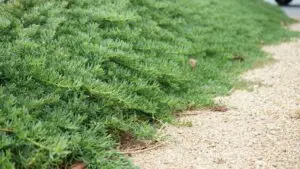
Myoporum is the dependable, steady friend of ground covers. It quietly spreads across bare patches, forming a thick, glossy mat that holds soil in place and suppresses weeds. What I love is its versatility — it flourishes in sunny or partially shaded spots, copes with tough conditions, and produces small white flowers that attract bees during summer.
It’s a practical choice for slopes, large open areas, or as a living mulch beneath shrubs. Myoporum is hardy, drought-tolerant, and fast-growing, meaning it establishes quickly and requires little maintenance once settled.
Design tip: Use Myoporum to stabilise soil on embankments or as a base layer beneath taller shrubs for a polished, finished look.
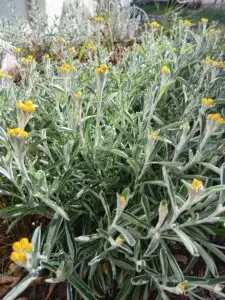
Chrysocephalum apiculatum ‘Desert Flame’ (Yellow Buttons)
‘Desert Flame’ is sunshine captured in a plant. Its silvery-grey foliage dotted with bright yellow flowers brings energy and vibrancy to any garden. I love the soft, velvety texture of the leaves and how they contrast beautifully with deep greens or purples.
What makes Desert Flame special is its long flowering season — from spring through autumn, it continuously brightens garden beds while attracting butterflies and native pollinators. It’s ideal for sunny spots and complements both modern and traditional Australian garden styles.
Design tip: Plant Desert Flame along pathways or garden edges to create vibrant, eye-catching borders.
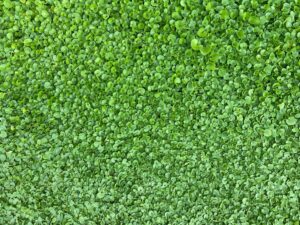
Dichondra repens (Kidney Weed)
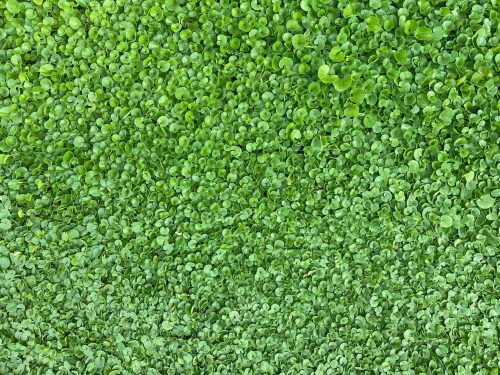
Dichondra repens brings a soft, calming presence to gardens. Its tiny, rounded leaves form a lush, green carpet, almost like a miniature forest floor. I love walking barefoot across it — the texture feels soft, cool, and inviting.
This ground cover thrives in shady areas where grass struggles, quietly spreading to cover soil and suppress weeds. While its flowers are inconspicuous, the plant’s charm lies in its simplicity, providing a serene and verdant foundation for other plants in your garden.
Design tip: Use Dichondra under trees or along paver pathways for a soft, natural look that contrasts beautifully with taller shrubs and textured leaves.
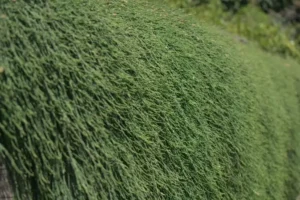
Casuarina ‘Cousin It’ (Casuarina glauca prostrate form)
‘Cousin It’ is dramatic and tactile. Its long, hair-like stems cascade across the soil in rippling green waves, moving gently with the breeze. I love its sculptural quality — it adds depth, texture, and movement to garden beds.
It’s incredibly hardy and low-maintenance, thriving even in poor soils and dry conditions. Casuarina ‘Cousin It’ is perfect for slopes, embankments, or spilling over retaining walls, adding bold contrast when paired with upright plants like kangaroo paw or grevillea.
Design tip: Use as a striking foreground plant to add sculptural interest and create contrast with upright flowering natives.
Fan Flower (Scaevola aemula)
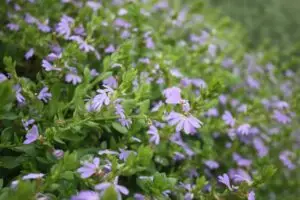
Fan Flower feels like a celebration at ground level. Its fan-shaped purple-blue blooms scatter across bright green foliage, giving your garden a lively, joyful energy. I love how long it flowers — often from spring through autumn — continuously attracting pollinators.
It’s perfect for sunny spots and can cascade from pots or edges, softening hard surfaces while adding vibrant colour. The carefree nature of the fan flower reminds me that gardens are meant to bring happiness and life.
Design tip: Combine with silver-leafed plants or yellow flowers for dynamic colour contrast, or use along pathways for continuous seasonal interest.
Each of these ground covers has its own personality — the fairy-tale charm of native violet, the dependable strength of Myoporum, the sunny glow of Desert Flame, the soft serenity of Dichondra, the sculptural waves of Cousin It, and the joyful exuberance of fan flower. Together, they transform a garden from a simple outdoor space into a vibrant, inviting environment that’s alive, sustainable, and full of character.
Whether you’re planting a small courtyard, a sloping backyard, or a full suburban block, Australian native ground covers are an essential part of creating a garden that’s beautiful, low-maintenance, and ecologically supportive. From colour and texture to wildlife attraction and soil health, these plants form the foundation of a thriving garden — and that’s where the true magic begins.
For a deeper dive into the benefits, placement ideas, and design tips for ground covers, check out our guide Why Ground Covers Are Essential for Your Garden: Benefits, Placement, and Design Tips and learn how to make the most of these low-maintenance Australian natives.